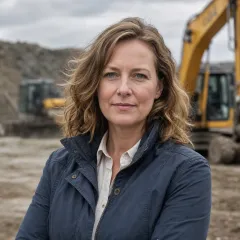
I'm an office administrator for a 200-person company. I manage all equipment and supply ordering—roughly $200,000 annually across 15 vendors. I report to both operations and finance. When I took over purchasing in 2020, I made the classic mistake: I bought the cheapest option every time. Now I know better. The real question isn't 'how much does it cost?' but 'what will it cost me over its lifetime?' This total cost of ownership (TCO) thinking has changed every major purchase I make—from Bomag landfill compactors to Shelby trucks and even trash trucks.
Let me be blunt: if you're only comparing list prices, you're leaving money on the table. Period.
Why Initial Price Misleads You
I used to think a Bomag dealer in St. Croix was expensive compared to a generic importer. That was until I factored in everything. The Bomag dealer offered comprehensive service, genuine parts availability, and training for our operators. The cheaper alternative? A one-year warranty that required shipping the unit back at our expense (ugh). After one breakdown, the downtime cost us more than the price difference.
Think of it like this: a Shelby truck might have a lower sticker price than a dedicated trash truck, but if you need it for waste collection, you'll pay more in modifications and repairs. The same logic applies to compaction equipment. Your cost isn't just what you write the check for—it's the sum of purchase price, maintenance, fuel, parts, and lost productivity.
An Example That Changed My Mind
In 2022, I approved the purchase of a Bomag landfill compactor for our landfill project. Two vendors quoted: one official Bomag dealer (the St. Croix branch) and one broker offering a similar-looking machine for 20% less. Guess which one I chose? The cheaper one. (Mistake.) Within six months, the cheaper machine needed two major repairs. The total cost—repairs plus lost compaction days—exceeded the Bomag dealer's price. Looking back, I should have applied TCO thinking. But with the CEO pushing to cut costs, I made a rushed decision.
Now I have a simple rule: before any purchase, I ask myself a question that sounds like something from 'are u smarter than a 5th grader?' — What is the actual total cost including parts, service intervals, and resale value? If I can't answer that, I'm probably missing something.
The Hidden Costs You Must Know
Beyond the obvious, there are less obvious costs:
- Parts availability: Non-genuine parts may be cheaper but can fail faster. Bomag's global parts network (including St. Croix dealer stock) ensures you get what you need quickly.
- Training and support: An authorized dealer often includes operator training. This prevents misuse that leads to premature wear.
- Downtime risk: Every hour your landfill compactor or trash truck sits idle costs money. Reliable equipment is worth a premium.
But What About Tight Budgets?
I get it—budgets are real. 'I can only afford the cheapest option right now,' you might say. To be fair, sometimes you have no choice. But even then, consider financing or leasing through the dealer. A Bomag dealer in St. Croix offered a lease plan that made the higher-quality machine affordable monthly. That's a TCO-friendly approach.
Granted, this requires more upfront work. I have to request quotes, analyze service contracts, and calculate projected maintenance. It takes maybe two hours per major purchase. But it saves me from explaining to my finance team why our repair budget blew up. (That conversation is never fun.)
Final Thought: Stop Buying on Sticker Price Alone
Whether it's a Shelby truck for our fleet, a trash truck for waste handling, or a Bomag landfill compactor for heavy compaction, the principle stands. The cheapest initial price is rarely the cheapest overall. Don't be the person who learns this lesson after a costly mistake (like I did). Use TCO, ask the 5th-grade-level questions, and work with an authorized dealer like Bomag in St. Croix. Your future self—and your budget—will thank you.